
As the global footwear industry accelerates its transformation towards greenization, intelligence, and high quality, the core adhesive material – shoe-made hot melt adhesive – is ushering in a new round of development opportunities. With its unique advantages of environmental protection, high efficiency, strong bonding, and wide adaptability, this innovative adhesive is gradually replacing traditional solvent-based adhesives, redefining the bonding standards of footwear production, and becoming a key driving force for the upgrading of the footwear materials industry. It has been widely applied in various footwear manufacturing links, from upper bonding to sole fixation, injecting new vitality into the high-quality development of the global footwear industry.
Shoe-made hot melt adhesive is a thermoplastic adhesive product specially developed for footwear manufacturing. It is solid at room temperature and melts quickly when heated to a specific temperature (usually 80-180℃ according to different types). After cooling and solidification, it can form a strong and stable bond between different shoe materials. Unlike traditional solvent-based adhesives that contain volatile organic compounds (VOCs) and have long curing time, shoe-made hot melt adhesive achieves a perfect balance between environmental protection, processing efficiency, and bonding performance. It is divided into three main types according to melting temperature: low-temperature, medium-temperature, and high-temperature, which can be flexibly selected according to different shoe materials and processing needs, such as artificial leather, genuine leather, fabric, EVA, and rubber, covering all types of footwear production. As an environmentally friendly and efficient adhesive, it has become an indispensable core material in modern footwear manufacturing, closely related to the quality, comfort, and durability of footwear products.
Domestic and International Development Trends
Domestic Market
Import and Export Situation: The export volume of China’s shoe-made hot melt adhesive has been increasing year by year in recent years, driven by the strong demand of the global footwear market and the continuous improvement of domestic product quality. In 2023, the total export value reached 380 million US dollars, mainly sold to Southeast Asia, Europe, North America, and South America, among which medium-temperature hot melt adhesive accounted for 65% of the export volume due to its wide adaptability to shoe materials such as artificial leather and fabric. It is expected that the export scale will approach 550 million US dollars by 2025. Imports are mainly high-end functional hot melt adhesive products and key production equipment, with a certain degree of dependence on foreign advanced technology, but domestic enterprises are accelerating technological breakthroughs and independent research and development to narrow the gap and enhance core competitiveness.
International Market
Market Size Expansion: It is predicted that by 2025, the global market size of shoe-made hot melt adhesive will reach 140 billion US dollars, with a compound annual growth rate of over 6%. In 2024, the global market size of environmentally friendly shoe-made hot melt adhesive products reached 45 billion US dollars, accounting for 32% of the total market, and is expected to maintain a high growth rate of over 10% in the coming years, driven by global environmental protection policies and consumer demand for high-quality footwear. With the continuous expansion of the global footwear manufacturing industry and the deepening of green transformation, the market demand for shoe-made hot melt adhesive will continue to rise.
Regional Growth Disparities: The Asia-Pacific region, especially China and India, has huge growth potential, with the compound annual growth rate of the market size exceeding 8%. Benefiting from the rapid development of the footwear manufacturing industry and the strong support of national policies, the demand for shoe-made hot melt adhesive is rising rapidly. North America and Europe, as mature markets, show stable growth momentum, with a growth rate of 4%-6% annually. Driven by technological innovation and environmental protection demand, the demand for high-end, functional hot melt adhesive is increasing. Although the market size in South America and Africa is relatively small, it has a fast growth rate, with great potential for market development in the future.
Environmental Demand Promotion: Global attention to sustainable development has greatly promoted the development of the shoe-made hot melt adhesive industry. The increasing focus of consumers on environmentally friendly products and the tightening of environmental protection policies in various countries have made shoe-made hot melt adhesive, which is solvent-free, non-toxic, and recyclable, a new growth point in the footwear materials market. For example, the EU REACH and RoHS standards have clearly restricted the use of solvent-based adhesives, providing a broad market space for environmentally friendly shoe-made hot melt adhesive. Meanwhile, the global organic adhesive market is expected to maintain a compound annual growth rate of 12% by 2030, which will further drive the development of the shoe-made hot melt adhesive industry.
The Balance Between Cost and Performance
I. Core Advantages: Key Characteristics Adapted to the Shoe-Making Industry
1. Environmental Protection and Safety: Adopting 100% solid formula, it does not contain any solvents or VOCs, and will not produce pungent odors or toxic gases during production and use, which fully complies with international environmental standards and national environmental protection policies. It not only reduces the environmental protection investment of footwear enterprises in waste gas treatment but also improves the working environment of the production workshop and protects the physical health of operators, in line with the global green manufacturing trend.
2. High Efficiency and Energy Saving: It melts quickly when heated, with initial curing time of 3-5 seconds and operational strength of 10-15 seconds, which shortens the production cycle by 30%-50% compared with traditional solvent-based adhesives. It can be directly applied through automated hot-pressing equipment, adapting to the high-speed automated production line of modern footwear industry, reducing manual operation links, improving production efficiency, and reducing labor costs for enterprises.
3. High Cost-Effectiveness: The main raw materials are polyurethane (PU), polyethylene (PE), and other polymers, with abundant raw material supply and lower production costs than traditional solvent-based adhesives. At the same time, it has high bonding efficiency and low material loss, which can help footwear enterprises reduce production costs and improve market competitiveness while ensuring product quality.
4. Wide Adaptability: It has good compatibility with various common shoe materials, including artificial leather, genuine leather, fabric, EVA, rubber, TPR, and nylon, and can meet the bonding needs of different parts of shoes, with strong versatility. It can be processed into granules, sheets, and other forms according to customer needs, adapting to different processing processes and footwear production requirements.
II. Key Performance: Meeting the Functional Requirements of Shoe Applications
1. Strong Bonding Strength: It has excellent bonding performance, with peel strength reaching 8-12N/cm, far exceeding the industry standard. It can form a firm bond between different shoe materials, effectively solving the common quality problems such as sole detachment and upper cracking in traditional footwear products, and extending the service life of shoes.
2. Good Flexibility and Temperature Resistance: It has excellent flexibility and can adapt to the bending and stretching of shoes during wearing without cracking or peeling. It can maintain stable bonding performance in the temperature range of -20℃ to 80℃, and will not become brittle or soften due to temperature changes, meeting the usage requirements in different climate regions.
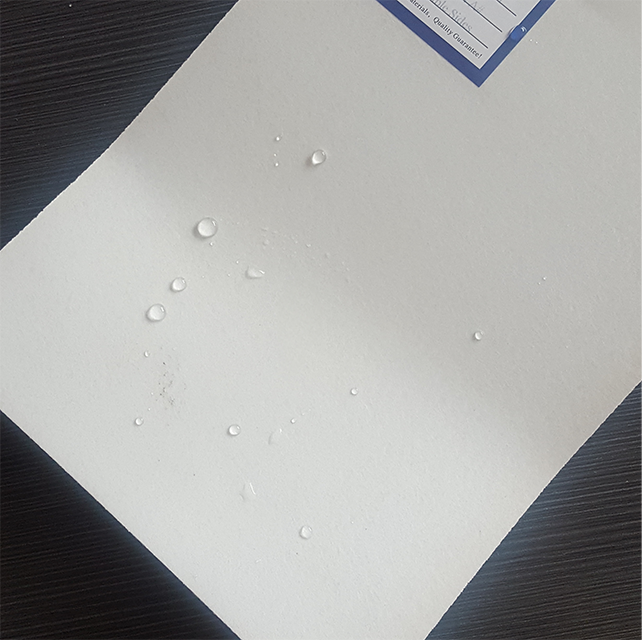
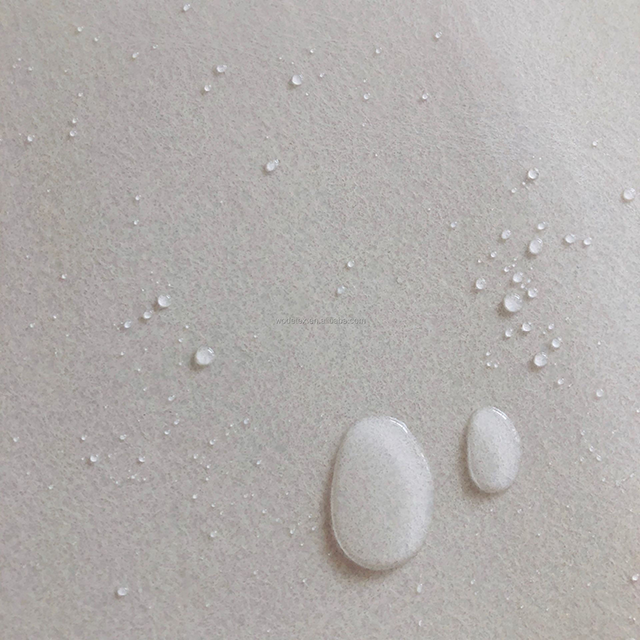
3. Water and Wear Resistance: High-end shoe-made hot melt adhesive products have good water resistance, which can prevent water from seeping into the bonding part and affecting the bonding effect. At the same time, they have certain wear resistance, which can withstand the friction of daily walking and ensure the long-term stability of the bonding part.
III. Main Applications: Covering Multiple Parts of Shoes
1. Upper Bonding: Used for bonding different parts of the upper, such as the toe cap, heel, and vamp, to enhance the structural strength of the upper and ensure the shape stability of the upper. It is especially suitable for lightweight and seamless upper production, improving the comfort and appearance of shoes.
2. Sole Bonding: As the core adhesive for sole and upper bonding, it can form a firm bond between the sole (EVA, rubber, etc.) and the upper, ensuring the stability and durability of the shoes. It is widely used in sports shoes, casual shoes, formal shoes, and outdoor boots.
3. Auxiliary Parts Bonding: Used for bonding shoe accessories such as insoles, tongue, and shoe pads, enhancing the firmness of the accessories while maintaining the comfort of the shoes. It can also be used for reinforcing the eyelet area and shoe opening, reducing fabric wear and improving the service life of shoes.
Policy Support and Market Demand Resonance
Strong policy support has paved the way for the development of the shoe-made hot melt adhesive industry. China’s “Textile Industry Quality Improvement Action Plan (2023-2025)” clearly supports the development of green manufacturing technologies and new environmentally friendly materials, including shoe-made hot melt adhesive. The Ministry of Industry and Information Technology, in collaboration with the Ministry of Finance, has invested special funds in the technological research and development and industrialization application of shoe-made hot melt adhesive, promoting the upgrading of the industry.
The green preference of the demand side has continued to strengthen. 67% of consumers are willing to pay a premium of 5% or more for shoe products containing environmentally friendly materials. International brands such as Nike and Adidas have significantly increased the proportion of environmentally friendly materials in their supply chains, and shoe-made hot melt adhesive, as an environmentally friendly adhesive, has become an important choice for these brands. The application proportion of recycled raw materials in shoe-made hot melt adhesive reached 35% in 2024, and it will continue to increase in the future, further enhancing the environmental competitiveness of the product.
Conclusion
Currently, shoe-made hot melt adhesive is in a critical period of “deepening environmental protection transformation, achieving technological breakthroughs, and upgrading market demand”. Its comprehensive advantages in environmental protection, efficiency, cost, and performance have made it an important choice for footwear manufacturing enterprises to reduce costs, increase efficiency, and enhance product competitiveness. With the continuous advancement of material science and the in-depth transformation of the footwear industry, the shoe-made hot melt adhesive industry is experiencing both scale expansion and quality improvement, with a highly predictable growth trajectory.
For industry enterprises, it is necessary to seize the trends of greenification and intelligence, and continuously improve product value-added and brand influence through raw material upgrading, technological research and development, and market expansion. In the future, shoe-made hot melt adhesive will not only become the core basic material for shoe manufacturing but also play a key role in promoting the sustainable development of the shoe industry and meeting consumers’ high-quality demands.
Post time: Feb-24-2026