
With the global footwear industry evolving towards comfort, functionality, and sustainability, the double needle insole, as a core support material for shoe manufacturing, is gradually moving from a supporting accessory to a key driver of product upgrading. Relying on its unique double-needle stitching technology, excellent mechanical performance, and green environmental protection attributes, it has been widely applied in sports shoes, casual shoes, work shoes, and outdoor boots, redefining the comfort and durability standards of footwear. The current industry is showing a development trend of “functional upgrading, environmental protection leading, and market expansion”, and will inject new vitality into the high-quality development of the global footwear manufacturing industry in the future.
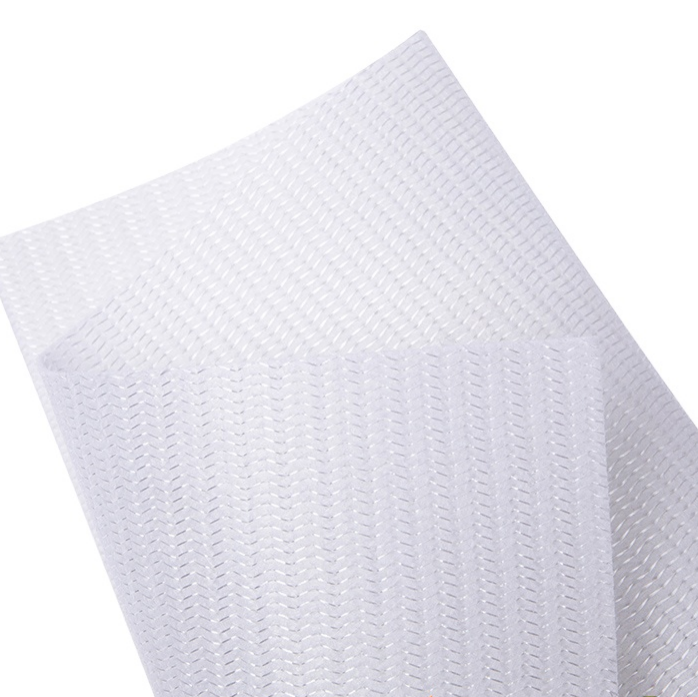
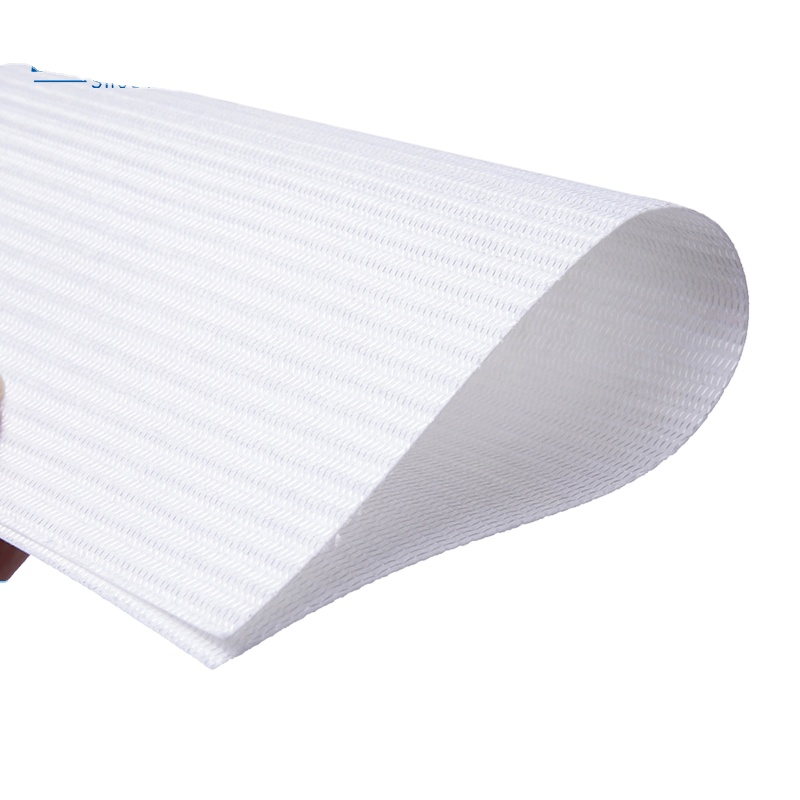
Double needle insole is a professional shoe support material specially developed for the middle layer of footwear. It is made of recycled polyester (RPET), nylon, or other chemical fibers as the main raw materials, and is processed and formed through double-needle stitching and hot-pressing reinforcement technology. Unlike traditional single-needle insoles with insufficient support and poor durability, double needle insoles adopt a dense double-needle cross-stitching structure, which enhances the overall stiffness and tensile strength of the material. It is not a traditional woven insole that requires complex spinning processes, but is directly formed by fiber processing and double-needle reinforcement, and has become an indispensable core material in modern footwear manufacturing. Its thickness can be adjusted between 0.6mm and 1.5mm according to different shoe types and functional needs, perfectly matching the production requirements of various footwear.
Domestic and International Development Trends
Domestic Market
Import and Export Situation: The export volume of China’s double needle insoles has been growing steadily in recent years, driven by the strong demand of the global footwear market and the continuous improvement of domestic production technology. In 2024, the total export value reached 45.8 billion yuan, mainly sold to Southeast Asia, Europe, North America, and South America, among which medium-hard double needle insoles accounted for 68% of the export volume due to their wide adaptability to sports shoes and casual shoes. It is expected that the export scale will approach 52.1 billion yuan by 2025. Imports are mainly high-end functional double needle insoles and advanced stitching equipment, with a certain degree of dependence on foreign advanced technology, but domestic enterprises are accelerating independent research and development to narrow the gap and enhance core competitiveness.
International Market
Market Size Expansion: It is predicted that by 2025, the global market size of double needle insoles will reach 180 billion US dollars, with a compound annual growth rate of over 6%. In 2024, the global market size of environmentally friendly double needle insole products reached 89.4 billion US dollars, accounting for 49.7% of the total market. Driven by global environmental protection policies and consumers’ demand for comfortable and durable footwear, it is expected to maintain a high growth rate of over 12% in the coming years. With the continuous expansion of the global footwear manufacturing industry and the deepening of product upgrading, the market demand for double needle insoles will continue to rise.
Regional Growth Disparities: The Asia-Pacific region, especially China and India, has huge growth potential, with the compound annual growth rate of the market size exceeding 8%. Benefiting from the rapid development of the footwear manufacturing industry and the strong support of national policies, the demand for double needle insoles is rising rapidly. North America shows a stable growth momentum with a growth rate of 5%-7% annually, driven by the high demand for high-end sports shoes and outdoor footwear. The European market is expected to develop steadily from 2025 to 2030, and the demand for high-end, functional double needle insoles will increase steadily under the guidance of environmental protection and comfort trends. Although the market size in South America and Africa is relatively small, it has a fast growth rate, with great potential for market development in the future.
Environmental Demand Promotion:
Global attention to sustainable development has greatly promoted the development of the double needle insole industry. The increasing focus of consumers on environmentally friendly products and the tightening of environmental protection policies in various countries have made double needle insoles, which are made of recycled materials and have low carbon emissions, a new growth point in the shoe materials market. For example, the EU REACH and RoHS standards have clearly put forward environmental protection requirements for shoe materials, providing a broad market space for environmentally friendly double needle insoles. Meanwhile, the global organic textile market is expected to maintain a compound annual growth rate of 15% by 2030, which will further drive the development of the double needle insole industry.
The Balance Between Cost and Performance
I. Core Advantages: Key Characteristics Adapted to the Shoe-Making Industry
1. High Cost-Effectiveness: The main raw materials are recycled polyester (RPET) and nylon, with abundant supply and lower production costs than traditional leather and cotton insoles. The double-needle stitching process has high production efficiency, which can meet the mass production needs of footwear enterprises and help enterprises reduce production costs while ensuring product quality.
2. Strong Support and Formability: The dense double-needle cross-stitching structure enhances the stiffness and shape retention of the insole, which can effectively support the foot arch, reduce foot fatigue during long-term wearing, and avoid shoe deformation. By adjusting the stitching density and thickness, it can be made into soft, medium-hard, and hard types, adapting to the needs of different parts of shoes and different shoe types, such as pull-on shoes.
3. Lightweight and Comfortable: Compared with rubber and leather insoles of the same thickness, double needle insoles are lighter, helping shoes achieve “lightweight” design, reducing the burden on feet, and improving wearing comfort. The fiber structure has good air permeability, which can reduce foot stuffiness and is suitable for long-term wearing.
4. Easy Processing: It does not fray easily during cutting and has good compatibility with adhesives and sewing threads, fitting well with the splicing and bonding processes in shoe-making. It can be directly compounded with sponge, mesh, and other materials to further improve the comfort and functionality of shoes, reducing production waste and improving production efficiency.
II. Key Performance: Meeting the Functional Requirements of Shoe Applications
1. Excellent Mechanical Strength: It has strong tensile and tear resistance, and can withstand the friction and pressure of daily walking when used as a shoe insole or upper reinforcement. Its tensile strength can reach 15-20N/cm, far exceeding the industry standard, effectively extending the service life of shoes and solving the problem of insole deformation and damage in traditional footwear products.
2. Good Breathability and Moisture Absorption: The multi-pore structure formed by the double-needle stitching process allows air circulation, and the fiber material can absorb foot sweat, keep the interior of the shoe dry, reduce the growth of bacteria, and improve wearing comfort. It is particularly suitable for sports shoes and casual shoes that are worn for a long time.
3. Weather Resistance and Dimensional Stability: It has strong resistance to temperature changes and slight dampness, and is not easy to deform, mold, or harden due to environmental influences, meeting the usage requirements in different climate regions. After washing or long-term use, it has a low shrinkage rate, maintaining the original shape of the shoe and avoiding discomfort caused by material deformation.
4. Environmental Protection and Safety: Adopting recycled polyester fibers as raw materials, it conforms to the global low-carbon and environmental protection trend, and does not contain harmful substances such as formaldehyde and hexavalent chromium, fully complying with international environmental standards and national shoe safety requirements. It is non-toxic and harmless, and will not cause harm to human health and the environment during production and use.
III. Main Applications: Covering Multiple Parts of Shoes
1. Insole Core: As the core material of shoe insoles, it provides arch support and shape retention, reducing foot fatigue during long-term walking. It is widely used in sports shoes, casual shoes, work shoes, and outdoor boots, and can be compounded with high-elastic sponge to further improve foot feel.
2. Upper Reinforcement: Used as a reinforcement layer for shoe uppers, it is applied to areas prone to wear such as toe caps and heels to enhance the structural strength of the upper and avoid upper deformation and damage. It can also be used as a base material for lightweight uppers, combined with mesh fabrics to improve the breathability and strength of the upper.
3. Shoe Accessories: Acts as a supporting interlining for shoe tongues and shoe collars, enhancing the stiffness of the accessories while maintaining breathability. It is also used as a binding material around shoe openings and eyelet areas to reduce fabric friction against the skin and improve wearing comfort.
Policy and Demand Resonate, Environmental Attributes Become Core Competitiveness
Strong policy support has paved the way for the development of the double needle insole industry. China’s “Textile Industry Quality Improvement Action Plan (2023-2025)” clearly supports the development of new bio-based fibers and green manufacturing technologies, including double needle insoles. The Ministry of Industry and Information Technology, in collaboration with the Ministry of Finance, has invested special funds in the technological research and development and industrialization application of double needle insoles and their upstream raw materials, promoting the upgrading of the industry. At the same time, local governments such as Wenzhou have issued policies to encourage footwear enterprises to use low-VOC and environmentally friendly materials, providing policy support for the popularization and application of double needle insoles.
The green preference and comfort demand of the demand side have continued to strengthen. 67% of consumers are willing to pay a premium of 5% or more for shoe products containing environmentally friendly materials. International brands such as Nike and Adidas have significantly increased the proportion of environmentally friendly materials in their supply chains, and the environmental protection and comfort characteristics of double needle insoles precisely align with this trend. The application proportion of recycled polyester fibers in double needle insoles reached 38% in 2024, and it will continue to increase in the future, further enhancing the environmental competitiveness of the product. In addition, consumers’ demand for comfortable and durable footwear has also promoted the upgrading of double needle insole products, and functional products such as shock absorption and antibacterial have become market hotspots.
Conclusion
Currently, the double needle insole is in a critical period of “deepening environmental protection transformation, achieving technological breakthroughs, and upgrading market demand”. Its comprehensive advantages in comfort, durability, cost, and environmental protection have made it an important choice for footwear manufacturing enterprises to reduce costs, increase efficiency, and enhance product competitiveness. With the continuous advancement of material science and the in-depth transformation of the footwear industry, the double needle insole industry is experiencing both scale expansion and quality improvement, with a highly predictable growth trajectory.
For industry enterprises, it is necessary to seize the trends of greenification and functionalization, and continuously improve product value-added and brand influence through raw material upgrading, technological research and development, and market expansion. In the future, the double needle insole will not only become the core basic material for shoe manufacturing, but also play a key role in promoting the sustainable development of the shoe industry and meeting consumers’ high-quality demands.
Post time: Mar-12-2026